The Moon primarily influences Earth through gravity, causing ocean tides and stabilizing our planet's axial tilt, which affects seasons; its cycles also affect nocturnal light, influencing animal behavior like migration and spawning, and potentially impacting human sleep and physiology, Psychology.
Google
🌔Influences of Moon🌔
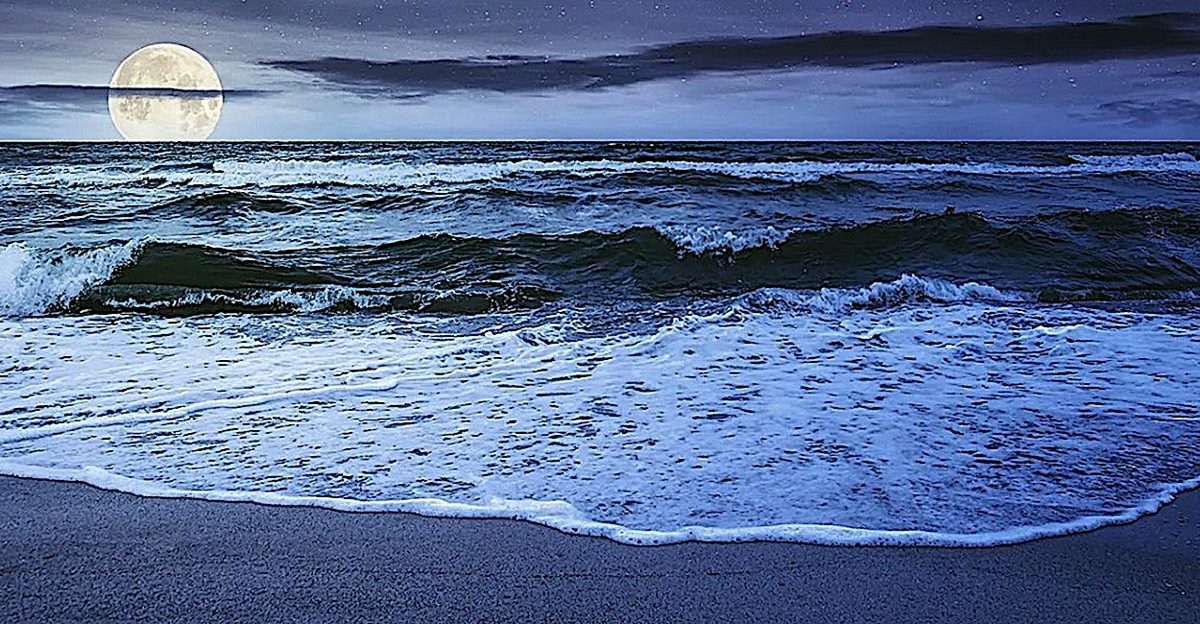
The lunar effect is a link between different stages of the 29.5-day lunar cycle and the behavior and physiology of various species, purportedly including humans. The changing phase and position of the Moon in its orbit impacts night lighting and ocean tides on Earth. Various organisms have adapted to this repeating cycle.
Wiki
🌔Moon Affects Earth🌖

The Moon primarily influences Earth through gravity, causing ocean tides and stabilizing our planet's axial tilt, which affects seasons.
iop.org
🌔Moon Affects Humans🌖

Yes, the Moon Affects Humans, primarily through its light influencing our sleep patterns and circadian rhythms, leading to less deep sleep and shorter sleep duration around the full moon, which can impact mood, though strong links to dramatic behavioral changes.
timeanddate.com
🌔Moon Affects Animals🌖

The Moon significantly affects Animals through light, tides, and time cues, influencing everything from foraging and mating to migration, with brighter full moons often making prey more visible to predators or forcing nocturnal animals to hide, while dim new moons can trigger mass spawning in corals or allow safer egg-laying for turtles, demonstrating deep biological ties to lunar cycles.
timeanddate.com
🌔Moon Affects Plants🌖

The Moon does affect Plants through its gravitational pull and reflected light, influencing water movement and cellular activity, though scientific understanding is evolving; traditional lunar gardening suggests planting based on moon phases (e.g., roots in waning, leaves in waxing), while science shows subtle impacts like stem diameter fluctuations and potential molecular responses, with some studies finding moonlight acts as a signal affecting genes.
Claire Hattersley
🌔VIDEO: Moon Phase Gardenig🌖

Our BD garden expert, Claire Hattersley guides you through how to grow healthy plants and amazing garden produce with the help of the Moon and Nature's cycles. Super clear and accessible, get the know-how to use your Lunar Calendar with confidence and get results .
Claire Hattersley
🌔Moon and Mystic, Magic🌖
There is a belief common to many culture that rituals at the time of different phases of the moon can bring about physical or psychological change or transformation. These rituals have historically occurred on or around the full moon and to a lesser extent the new moon.
Wili
🌔Moon Facts🌖
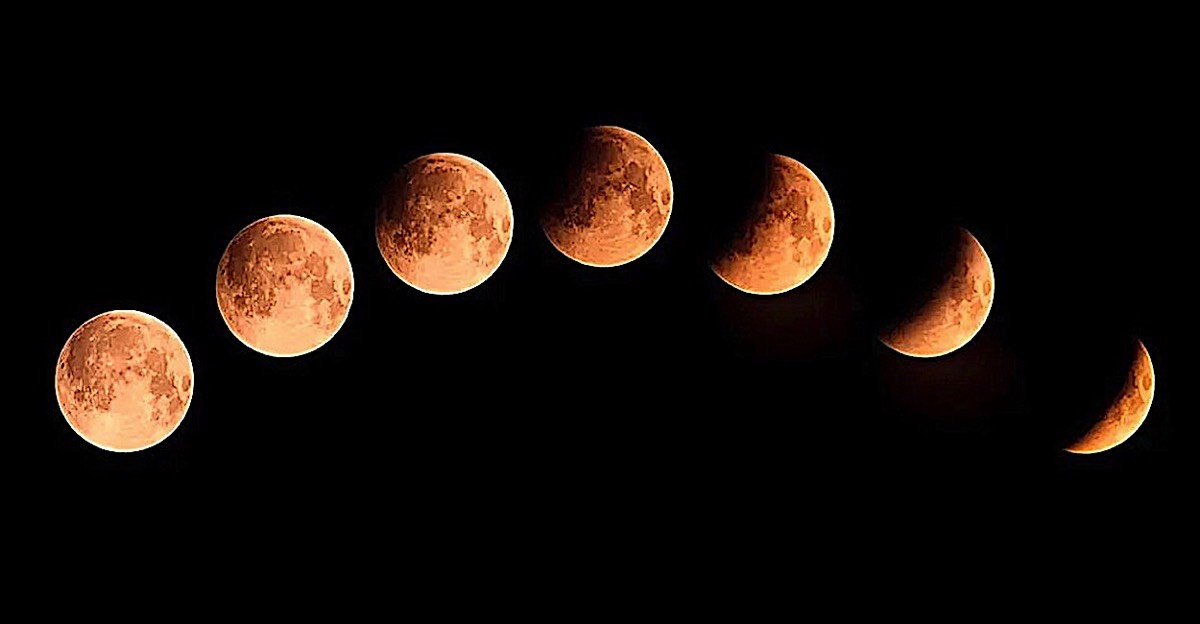
The moon may seem mundane, yet it benefits and influences life on Earth in many ways, from the moonlight it sheds to the tides it creates.
It has also influenced human culture, featuring in mythology and helping humans keep track of time. Humans and many other forms of life depend on the moon, and it is the only celestial body besides Earth we have visited.
space.com
🌔Info Moon🌖

The Moon is Earth's sole natural satellite and nearest large celestial body. It is a spherical rocky body, probably with a small metallic core, revolving around Earth in a slightly eccentric orbit at a mean distance of about 384,000 km (238,600 miles). Its equatorial radius is 1,738 km (1,080 miles).
science.nasa.go
Follow Us for the latest International Information and News: